Report
Game engines on YouTube Playables: what 1,349 games are built with
Unity, Three.js, Cocos Creator, Phaser and the rest: how many YouTube Playables games use each engine, their share of plays and how much they download on start.
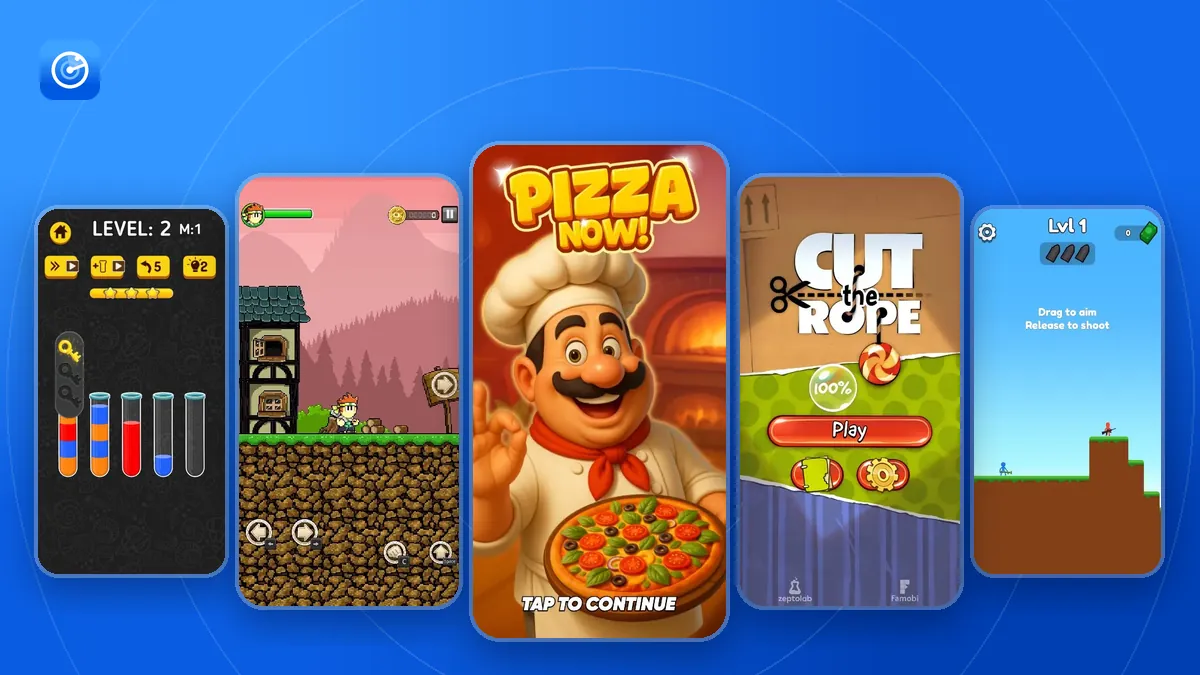
YouTube Playables accepts any game that runs as a web build, so the catalog mixes big 3D engines, lightweight JavaScript libraries and hand-written code. This report shows which engines the 1,349 games in the catalog used on November 18, 2026, how the plays are split between them and how much each kind of game downloads before its first screen. The engine of every game is on its page and on the game engines page.
Which engines games use
The engine is detected automatically from each game's code, so some games can be filed wrongly. For 24 games it could not be determined. “Custom” means the game draws with WebGL or a canvas directly, without a known engine.
| Engine | Games | Share of games | Share of plays |
|---|---|---|---|
| Unity | 650 | 49% | 61% |
| Three.js | 147 | 11% | 10% |
| Cocos Creator | 107 | 8% | 5% |
| Phaser | 88 | 7% | 6% |
| Custom canvas | 65 | 5% | 1% |
| Custom WebGL | 47 | 4% | 2% |
| PixiJS | 46 | 3% | 3% |
| Construct 3 | 35 | 3% | 2% |
| Cocos2d-JS | 21 | 2% | 1% |
| Defold | 17 | 1% | 1% |
| PlayCanvas | 15 | 1% | 3% |
| Babylon.js | 14 | 1% | under 1% |
| 12 other engines | 73 | 6% | 1% |
The other engines include CreateJS, Construct 2, LayaAir, React, Flutter, Godot and GameMaker. Shares are of the 1,325 games with a detected engine and of all plays in the catalog.
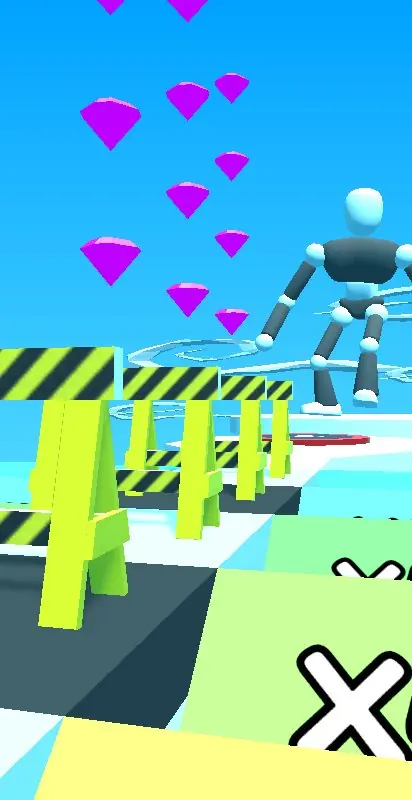 Tall Man RunUnity
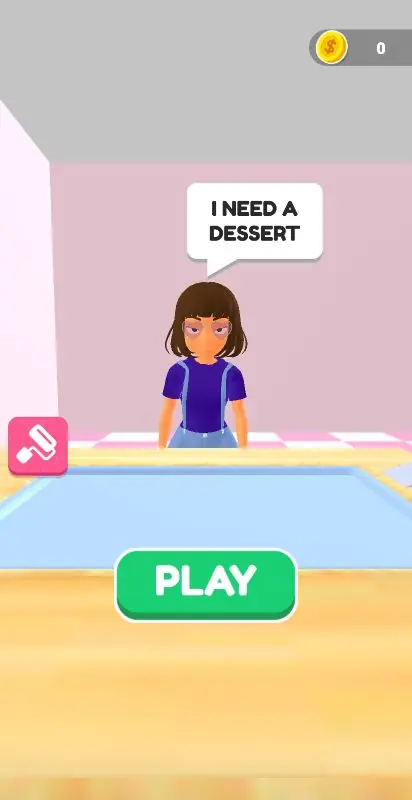 Dessert DIYThree.js
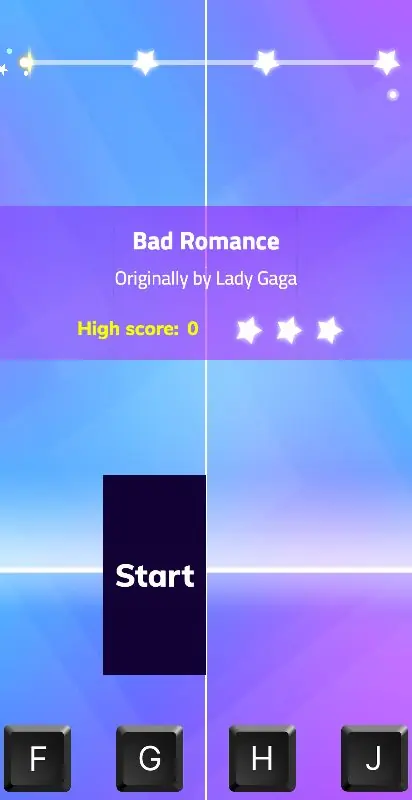 Magic Tiles 3Cocos Creator
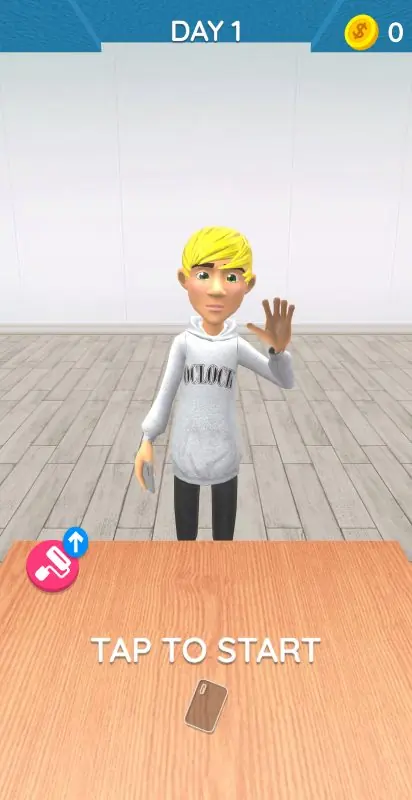 Phone Case DIYPhaser
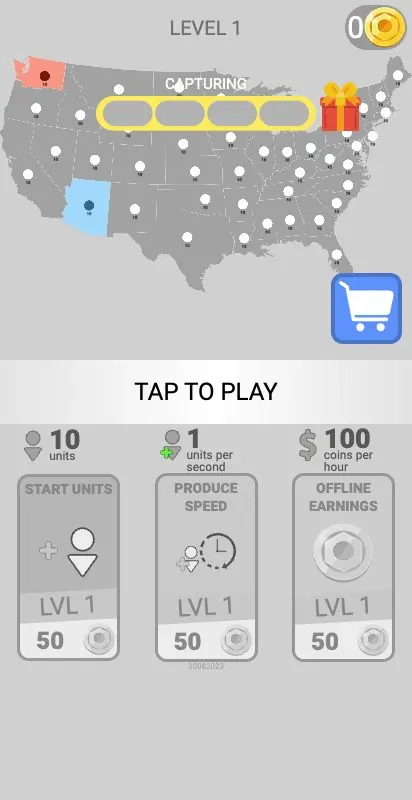 State.ioPixiJS
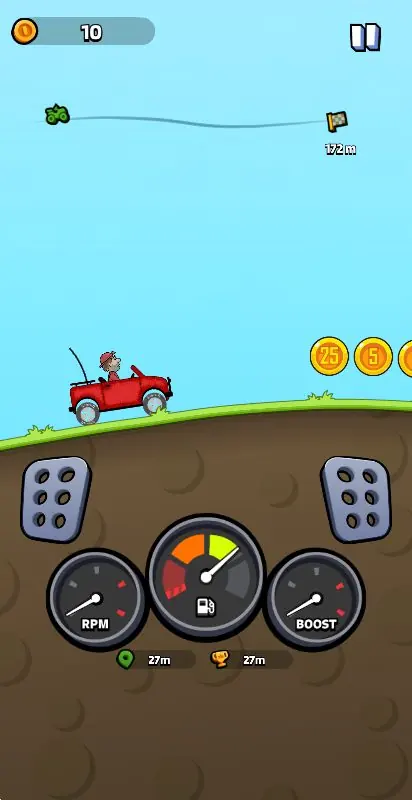 Hill Climb Racing LiteDefold
Unity: half of the games, most of the plays
Unity games make up 49% of the catalog and collect 61% of all plays. 57 of the 100 most played games are Unity games, including Tall Man Run, Build a Queen and Snake Clash!. Unity is also the most common engine among new releases: 393 of the 774 games released in the last 90 days (51%).
Google provides a Unity wrapper that gives C# code access to the Playables SDK, with a WebGL template and a sample project. Its setup notes matter for size:
- Set the Compression Format to Disabled: builds made with Unity's gzip or Brotli compression are not supported.
- Unless the project is very heavy, the main files usually fit the per-file limit: Google's example is a WebAssembly file of about 25 MiB that compresses to about 7 MiB.
- Split assets with Addressables or Asset Bundles and load them on demand. According to Google, the certification team may waive the overall size restrictions when lazy loading is done properly.
Web engines: Three.js, Cocos Creator, Phaser and PixiJS
Three.js is the second most common engine with 147 games, ahead of Cocos Creator (107), Phaser (88) and PixiJS (46). These engines are built for the web and their games are much lighter than Unity games. Google publishes sample code for Phaser and PixiJS, and wrappers for Godot and Flutter, next to the Unity one.
Some engines are tied to a few publishers. Pupu Games released 25 of the Cocos Creator games, FRVR 21 of the custom WebGL games and Famobi 9 of the 15 PlayCanvas games.
Download on start by engine
“Download on start” is how much data a game downloads before its first screen when nothing is cached, in compressed form. Half of the games download more than the median, half less.
| Engine | Median download on start |
|---|---|
| Unity | 20.4 MB |
| Defold | 7.3 MB |
| Cocos2d-JS | 6.5 MB |
| Phaser | 5.5 MB |
| Babylon.js | 5.2 MB |
| PlayCanvas | 4.8 MB |
| Cocos Creator | 4.1 MB |
| Construct 3 | 4.1 MB |
| PixiJS | 2.2 MB |
| Three.js | 1.5 MB |
| Custom WebGL | 1.4 MB |
| Custom canvas | 1.0 MB |
The median game in the whole catalog downloads 9.9 MB on start. Google's own limit is 30 MiB for everything downloaded before the game is ready to play, with 15 MiB recommended. That limit is counted differently from download on start, so the two numbers can't be compared one to one. All of Google's size rules are in how to get your game on YouTube Playables.
The engine follows the publisher
Large publishers tend to use one engine for most of their games, so engine shares say as much about publishers as about engines. Mediacube released 142 Unity games and Playgama 136: together that is 43% of all Unity games in the catalog. Comparing plays by engine therefore mostly compares the publishers behind them. To compare games fairly, look at games of the same age on the benchmarks page.
Which engines Google supports
Google supports any engine that exports a web build rendering through a standard API such as WebGL or Canvas. It lists BabylonJS, Cocos, Construct, Defold, Flutter, Godot, melonJS, Phaser, PixiJS, PlayCanvas, React, three.js and Unity as engines that have been used. Whatever the engine, the game has to load the Playables SDK before any of its own code.
Frequently asked questions
Which game engine is most used on YouTube Playables?
Unity, with 650 of the 1,325 games where the engine was detected on November 18, 2026. Three.js is second with 147 games.
Can I make a YouTube Playables game in Unity?
Yes. Build for WebGL with the Compression Format set to Disabled and use Google's Unity wrapper to call the Playables SDK from C#.
Can I use Godot for YouTube Playables?
Yes. Google lists Godot among supported engines and publishes a Godot wrapper. Only 4 games in the catalog were detected as Godot games.
Which engine makes the smallest games?
Games written with Three.js, PixiJS or custom canvas and WebGL code download the least on start: their medians are between 1 and 2.2 MB, against 20.4 MB for Unity.
Sources
- YouTube Playables for developers: supported engines
- Unity wrapper: setup and build settings
- Open source samples: wrappers and sample games
- Stability and performance requirements: size limits
Catalog numbers and engines: Playables Radar, November 18, 2026. Engines are detected automatically and can be wrong. Google's documentation checked on the same date.